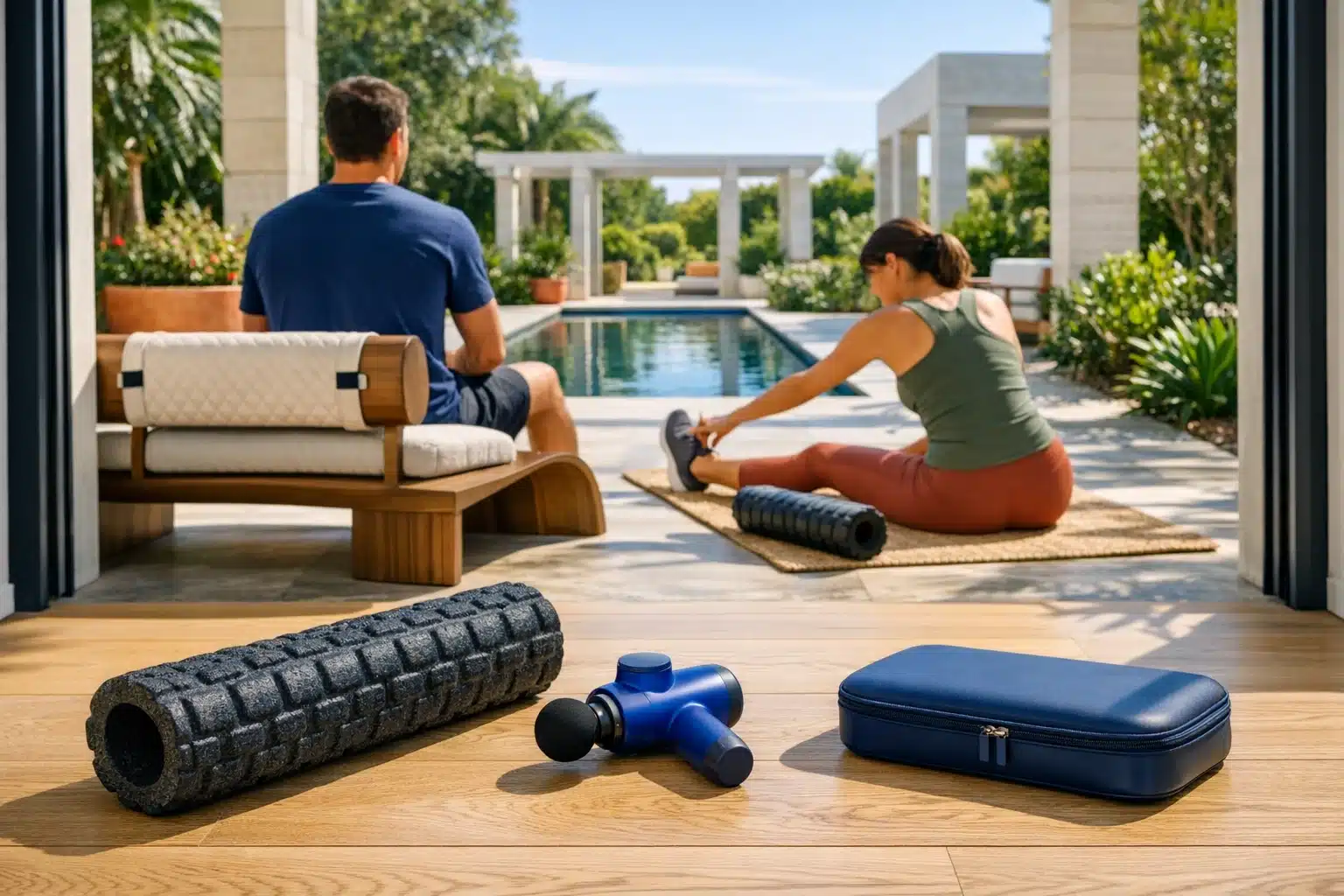
Top 10 Vibration Relaxation Gadgets for Couples
Why Vibration Relaxation Gadgets Matter for Couples
Busy schedules, screen-heavy evenings, and stiff shoulders can turn even a cozy night in into a low-energy blur. Vibration relaxation gadgets give couples a simple way to build small rituals of comfort, whether that means easing post-work tension, warming up before stretching, or creating a calmer wind-down routine. The market is crowded, though, and flashy specs do not always translate into shared value. This guide sorts through the noise and highlights ten gadget types that are practical, safe, and genuinely useful at home.
For couples, the appeal is not only physical comfort. A good relaxation gadget can help create a shared habit that feels restorative instead of rushed. One person may want deeper muscle work after exercise, while the other prefers gentle vibration for neck or lower-back relief after hours at a desk. The best products make room for both preferences. They offer adjustable intensity, straightforward controls, sensible ergonomics, and enough versatility to move from one user to the next without a long setup process.
It is also worth setting realistic expectations. Vibration tools can support relaxation, improve the feeling of looseness in tight areas, and make recovery routines more enjoyable, but they are not a replacement for medical diagnosis or treatment. When used thoughtfully, though, they can be excellent additions to home wellness. Many current devices also reflect practical design trends: rechargeable batteries often last between 2 and 6 hours, quieter motors commonly land in the 40 to 65 dB range, and compact formats now fit apartments, travel bags, or bedside drawers with less fuss than older models.
Here is the outline for the article so you can scan the path before diving in:
- What makes a vibration gadget truly couple-friendly
- The top 10 gadget categories, grouped by use case
- Comparisons based on comfort, intensity, portability, and price value
- Safety, cleaning, storage, and long-term maintenance tips
- How to choose the right device for two different bodies and routines
The rankings below focus on usefulness rather than novelty. Some devices are ideal for targeted muscle work, others are better for passive relaxation, and a few shine because they slip naturally into everyday life. Think of this list as a practical map: less treasure hunt, more clear road with fewer wrong turns.
Top Picks 1 to 3: Massage Gun, Neck Wrap, and Massage Pillow
The first three gadgets on this list cover the most common needs couples have at home: targeted muscle relief, quick shoulder comfort, and flexible support for back or leg tension. Number 1 is the massage gun, still one of the most effective tools for couples who want adjustable intensity. Entry-level models usually include 4 to 6 attachment heads, several speed levels, and batteries that last long enough for multiple sessions before recharging. For shared use, the biggest advantages are speed and control. One partner can use a soft round head for calves or upper arms, while the other can switch to a flatter head for larger areas like the thighs or upper back. A good massage gun, however, should not be judged only by power. Weight matters, especially when one person is using it on the other. Models in the 1.5 to 2.5 pound range tend to feel easier to handle during longer sessions.
Number 2 is the vibrating neck and shoulder wrap. If the massage gun is the focused athlete of the group, the neck wrap is the dependable friend who shows up after a long workday with a warm drink and a calm voice. These wearables often combine vibration with optional heat, and that pairing works well for couples who want hands-free relaxation. They are especially useful in shared evening routines because one person can wear the device while reading, sitting on the couch, or answering a final email. Compared with massage guns, they are gentler, quieter, and better for passive use. The trade-off is intensity. A neck wrap will rarely give the deep percussive feel that a powerful handheld device can provide.
Number 3 is the massage pillow with vibration mode, sometimes paired with kneading nodes. This is one of the most versatile categories because it can move from neck to lower back, from sofa to chair, and from home office to car seat. For couples with limited storage space, that flexibility is valuable. One compact pillow can serve multiple body areas and different routines. Compared with a neck wrap, a pillow needs more positioning, but it often works across a wider range of body types. Compared with a massage gun, it feels less intense yet more relaxing for longer seated sessions.
When comparing these three, think in terms of use style:
- Massage gun: best for short, targeted muscle work and post-exercise recovery
- Neck and shoulder wrap: best for hands-free comfort and heat-assisted wind-down time
- Massage pillow: best for all-purpose seated relaxation and small-space versatility
If a couple wants just one starting device, the massage pillow usually offers the broadest value. If one or both partners train regularly, the massage gun often earns its place quickly. If daily desk strain is the real villain, the neck wrap may become the quiet household favorite.
Top Picks 4 to 6: Vibrating Foam Roller, Seat Cushion, and Foot Massager
Number 4 is the vibrating foam roller, a smart choice for couples who already stretch or follow simple mobility routines. Traditional foam rollers rely entirely on body weight and positioning, which can feel effective but demanding. The vibrating version adds another layer of stimulation and often makes rolling feel more comfortable, especially for beginners who find standard rollers too intense. Many models offer 3 to 5 vibration levels and sturdy textured surfaces that help prevent slipping. For couples, the main appeal is that this device supports joint routines. It can be used before exercise, after walks, or during a short evening session on the floor. One partner may focus on hamstrings and glutes, while the other prefers upper-back mobility. Compared with the massage gun, the roller covers broader muscle groups more naturally. Compared with a pillow or wrap, it requires more active participation.
Number 5 is the heated vibrating seat cushion or back massager. This category is especially relevant for couples who spend hours sitting, whether at a desk, in a car, or on the couch. A quality cushion usually straps onto a chair and combines vibration zones with optional heat. Some units let users choose upper back, lower back, thighs, or full-seat coverage. That zoned approach makes a real difference in shared use because preferences tend to vary. One person may want lower-back attention after commuting, while the other values thigh support after standing all day. These cushions are rarely subtle in appearance, but they score highly on convenience. There is no learning curve, almost no setup, and the effect is broad rather than pinpointed. It is more of a supportive base layer than a precise tool, but that can be exactly what a couple needs on ordinary weekdays.
Number 6 is the foot massager with vibration, and often compression or heat. This is the kind of gadget that can quietly become the most-used item in the room. Feet absorb a remarkable amount of strain, and couples often underestimate how much full-body comfort improves when foot tension is reduced. Many home units use a mix of vibration, rolling, and air compression. Premium models can feel luxurious, but even mid-range options provide meaningful comfort if the foot chambers fit well and the controls are easy to switch between users. Noise is worth checking here, since motors and compression systems vary noticeably.
These three gadgets differ in posture and purpose:
- Vibrating foam roller: active, movement-based, best for recovery and mobility
- Seat cushion: passive, convenient, best for desk work and daily chair use
- Foot massager: deeply relaxing, best for end-of-day comfort and shared downtime
For couples who want a gadget that invites them to slow down together, the foot massager is hard to beat. For those building a wellness routine around stretching and movement, the vibrating roller offers more long-term versatility. The seat cushion sits in the middle, practical and unglamorous in the best possible way, like a reliable lamp that suddenly makes the whole room work better.
Top Picks 7 to 10: Eye Massager, Wearable Wrap, Mini Massager, and Vibration Mat
Number 7 is the eye and temple massager, a category that has grown quickly as people look for screen-break tools that feel soothing without demanding much effort. These devices typically combine gentle vibration with warmth, compression, or built-in audio features. Couples who deal with digital fatigue, tension around the brow area, or trouble shifting from work mode to rest mode often appreciate them. The strongest models are not necessarily the best here. Comfort, fit, and quiet operation matter more than intensity. Compared with a massage gun, an eye massager serves a very different purpose: less muscle recovery, more sensory calm. It is not a universal favorite, but in the right household it can become a deeply personal wind-down tool that supports better evening routines.
Number 8 is the wearable vibrating wrap for knees, lower back, or shoulders. These wraps are useful because they target specific areas while leaving the hands free. Many include elastic straps, rechargeable control units, and optional heat settings. They work well for couples with different discomfort patterns because the same device can move between body zones depending on the day. One evening it may circle a sore knee after a hike; the next it may support lower-back tension after lifting boxes or sitting too long. Compared with a seat cushion, the wrap is more focused and portable. Compared with a neck wrap, it usually covers a broader set of use cases.
Number 9 is the mini handheld massager. These compact tools are usually less powerful than massage guns but lighter, simpler, and often less expensive. That makes them appealing for couples who want a casual device for quick shoulder, forearm, or calf relief without committing to a more athletic-looking gadget. Mini massagers travel well, slip into small drawers, and feel less intimidating for first-time users. They are rarely the strongest option in any category, yet they win on convenience. In shared living, convenience is not a small detail; it often determines whether something is used once a month or five times a week.
Number 10 is the full-body vibration mat or sound-and-vibration relaxation pad. This category sits closer to ambient recovery than direct massage. Some mats combine subtle vibration with cushioning, acupressure-inspired surfaces, or audio integration designed to support resting, stretching, or mindful breathing. These are especially appealing to couples who want a more meditative, low-effort experience. Rather than targeting a single tight spot, a mat creates an environment. It can be rolled out for a short reset in the afternoon or used as part of a nighttime routine. Storage and floor space matter here, so apartment dwellers should check dimensions carefully.
For quick comparison, the final four rank like this:
- Eye massager: best for screen fatigue and gentle evening decompression
- Wearable vibrating wrap: best for targeted support with mobility
- Mini handheld massager: best for portability and low-commitment use
- Vibration mat: best for shared rituals and broad sensory relaxation
Each fills a different niche, and that is the real lesson of this roundup. The right gadget is not the one with the longest feature list. It is the one that matches the rhythms of the people who will actually use it.
How Couples Should Choose, Use, and Enjoy These Gadgets Long Term
Once the top 10 list is on the table, the next step is choosing wisely. Couples usually get the best results by starting with habits, not hype. Ask where tension shows up most often, how much storage space is available, how much noise is acceptable, and whether the device will be used actively or passively. A high-powered massage gun may sound impressive, but it can end up neglected if one partner finds it too intense or cumbersome. By contrast, a foot massager or seat cushion may look less exciting in a product photo and still become the item everyone reaches for after dinner. Real value lives in repeat use.
Here are the buying factors that matter most in shared use:
- Adjustability: multiple intensity levels help one device suit two different preferences
- Ease of cleaning: removable covers or wipeable surfaces make regular use more realistic
- Noise: quieter motors are better for apartments, evening sessions, and shared spaces
- Portability: lightweight or foldable designs are easier to move and store
- Power source: rechargeable units reduce cable clutter, while plug-in models often deliver steadier performance
- Heat options: helpful for comfort, but only when controls are clear and safe
Safety should stay part of the conversation. Most vibration gadgets are intended for temporary comfort and relaxation, not for ignoring persistent pain. It is sensible to avoid using strong vibration directly over acute injuries, areas with significant swelling, or skin that is irritated. People with certain medical conditions, implanted devices, or circulation concerns should check product guidance and consult a qualified professional when appropriate. It is also wise to keep sessions moderate. More intensity is not automatically better, and discomfort is a sign to stop rather than push through.
Maintenance is where smart buyers quietly pull ahead. Recharge batteries before they run completely flat, wipe devices after use, store wraps and cushions in dry places, and check straps or seams every few months if the gadget gets frequent use. These small habits extend product life and keep the experience pleasant. No one wants a relaxation tool that feels dusty, tangled, or forgotten in a closet.
For couples specifically, the best approach is to treat these gadgets as part of a shared routine rather than as emergency gear brought out only on difficult days. A ten-minute session after work, a short stretch with a vibrating roller on weekends, or a foot massage while watching a film can turn relaxation into something consistent and enjoyable. That consistency is where the real payoff appears.
In summary, couples shopping for vibration relaxation gadgets should prioritize fit, comfort, simplicity, and adaptability over flashy marketing language. The strongest all-round choices are usually the massage pillow, foot massager, wearable wrap, and seat cushion, while the massage gun and vibrating roller are standout picks for more active households. If your goal is easier evenings, better recovery, and a calmer atmosphere at home, the right device is the one that works with your routines instead of competing with them. Choose for the life you actually live, and the gadget is far more likely to become a lasting part of it.