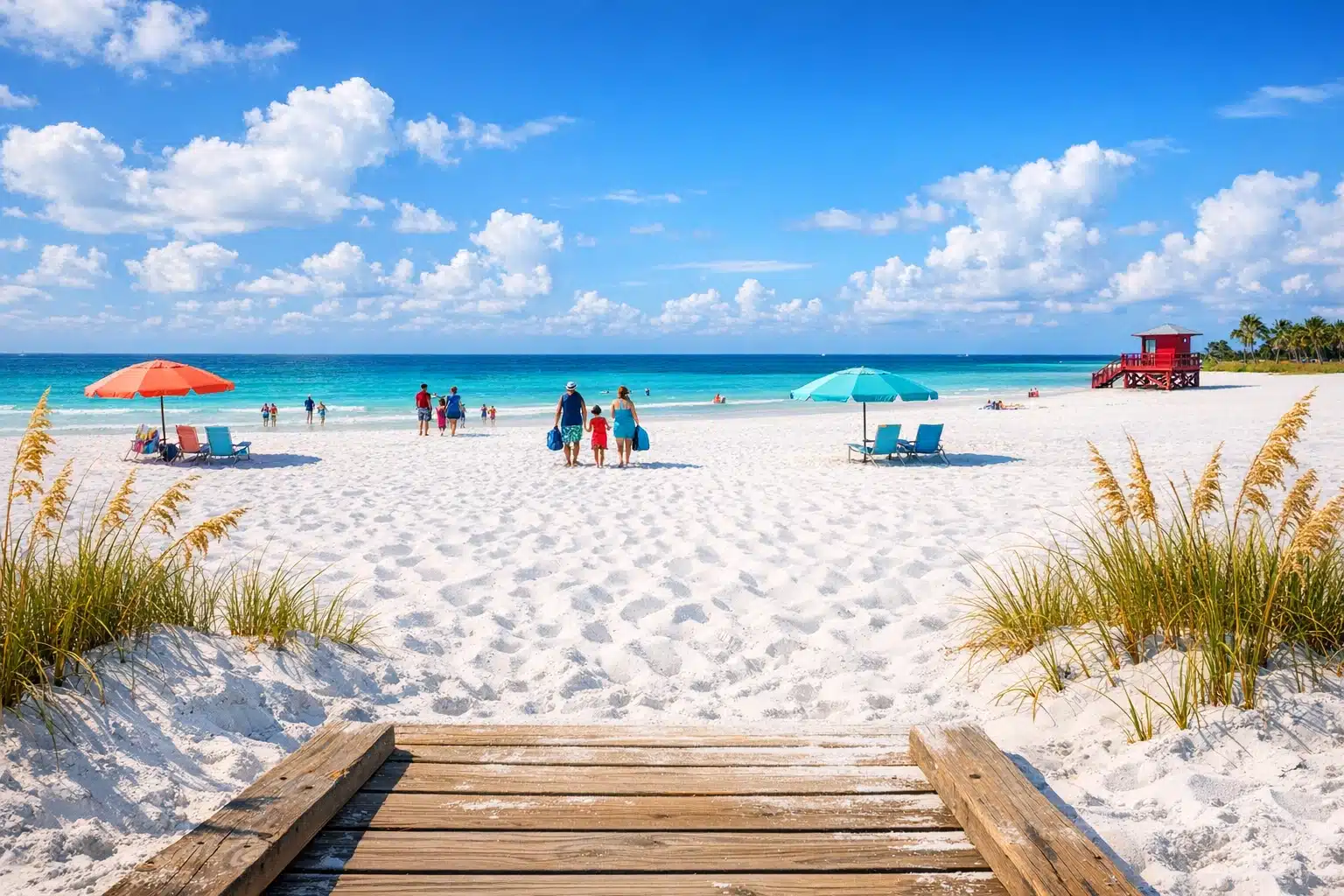
These Are the 5 Most Loved Beaches by Tourists in Florida
Florida’s coastline stretches for more than 1,300 miles, yet a handful of beaches keep rising to the top of visitor wish lists because they blend scenery, convenience, and memorable experiences in ways that suit very different travelers. Families look for gentle surf and dependable facilities, couples chase vivid sunsets and waterfront dinners, and first-time visitors often want a beach that feels unmistakably Floridian from the first barefoot step. This article looks at five favorites that tourists return to again and again, while explaining what each one does better than the rest.
Article Outline
• Siesta Beach for its famously soft sand and easy family appeal. • Clearwater Beach for classic Gulf Coast energy, sunset entertainment, and day-trip convenience. • South Beach for iconic Miami style, people-watching, and urban access. • Fort Lauderdale Beach for a polished but more relaxed coastal experience. • Naples Beach for sunset beauty, upscale calm, and a slower rhythm that many visitors find irresistible.
Siesta Beach: The Soft-Sand Favorite That Feels Made for Long, Easy Days
Siesta Beach, on Siesta Key near Sarasota, is one of those places that seems almost too polished to be real when you first arrive. The sand is the headline feature, and not without reason. It is widely described as being made up largely of quartz, which gives it a pale, powdery look and helps it stay cooler underfoot than many darker or shell-heavy beaches. That detail matters more than it sounds. On a bright Florida afternoon, when heat can turn an ordinary walk into a sprint, Siesta Beach remains surprisingly comfortable. For tourists, that small physical comfort becomes a big emotional win. It turns the beach from a quick photo stop into a place where people linger for hours, build a full day around lunch and swimming, and happily return the next morning.
Another reason Siesta Beach earns so much affection is balance. It is beautiful without feeling inaccessible, and lively without becoming exhausting. The public beach area offers broad stretches of sand, lifeguards, restrooms, concessions, and ample space for families who need room for chairs, coolers, towels, and the endless equipment that seems to follow children to the shore. The water is usually calmer than what many travelers encounter on Florida’s Atlantic side, which makes it especially appealing for casual swimmers and parents with younger kids. In comparison with South Beach, which is more energetic and urban, Siesta feels slower and more spacious. Compared with Clearwater Beach, it is a touch less commercial and often feels more naturally serene. Quick highlights: • famously soft sand • family-friendly swimming conditions • a wide beach that rarely feels cramped even during busy periods.
Siesta Beach also works because it fits multiple travel styles without forcing anyone into a single version of a beach day. Some visitors come for volleyball and social energy, others for shell hunting, sunset watching, or a simple walk where the Gulf seems to dissolve into the horizon. Nearby Siesta Key Village adds another layer with restaurants, bars, dessert shops, and casual retail, so the experience extends beyond the shoreline itself. It is not the cheapest area in Florida, and parking can test your patience during peak season, but those are familiar trade-offs for a beach this admired. What keeps Siesta near the top of so many tourist lists is not one dramatic attraction. It is the cumulative ease of the place. The sand feels better, the water often looks inviting, the public facilities are practical, and the overall atmosphere says, with unusual confidence, that you came to the right beach.
Clearwater Beach: A Crowd-Pleasing Gulf Destination with Entertainment Built In
Clearwater Beach has a slightly different personality from Siesta, and that difference explains why it remains one of Florida’s most visited beach destinations. If Siesta is the graceful natural charmer, Clearwater is the polished host that already has your day planned. Located west of Tampa, the beach is unusually convenient for visitors flying into the region, and that accessibility matters in real-world travel decisions. A beach can be gorgeous, but if getting there feels complicated, many tourists move on. Clearwater removes that friction. Depending on traffic, it is often reachable from Tampa International Airport in under an hour, which makes it highly attractive for weekend trips, cruise add-ons, or families who do not want long transfers after a flight. The result is a beach with broad national appeal, not just regional popularity.
The beach itself delivers the classic Gulf Coast formula that many travelers seek: bright white sand, gentle-looking water, and a shoreline wide enough to feel festive rather than cramped. Clearwater’s sand is not identical to Siesta’s famous quartz texture, but it is soft, attractive, and camera-friendly in the way people imagine when they book a Florida beach vacation. The area around Pier 60 gives Clearwater an extra advantage. This is not merely a beach for lying still under the sun. It is a full vacation zone where visitors can walk to restaurants, browse shops, book dolphin cruises, rent water sports equipment, and stay for evening entertainment. The nightly sunset celebration near Pier 60, with performers and vendors, gives the destination a ritual many tourists remember vividly. Compared with Naples Beach, which leans quiet and refined, Clearwater is more active and sociable. Compared with South Beach, it is more family-centered and less image-driven.
What makes Clearwater especially lovable to tourists is predictability in the best sense. Visitors know they will find infrastructure, dining, nearby lodging, and a sense of momentum from morning through sunset. That kind of reliability is underrated. Not every traveler wants hidden gems or undeveloped stretches of coast; many simply want an attractive beach that is easy to enjoy with minimal planning. Clearwater excels there. It also works well for mixed groups because different people can have different versions of fun without separating too far. Consider the range: • families can stay near lifeguarded areas • couples can book a sunset cruise • friend groups can transition from beach time to rooftop drinks without moving the car. During peak periods it can feel crowded, and hotel rates often reflect its fame, but those drawbacks are almost inseparable from its success. Clearwater remains beloved because it consistently gives tourists what they hoped Florida would feel like before they ever landed.
South Beach: The Iconic Miami Shore Where the Beach Meets the City
South Beach is not simply a place to swim and sunbathe; it is one of the rare beaches in the United States that functions as a global cultural symbol. Located in Miami Beach, the area is famous for its Art Deco architecture, walkable streets, colorful lifeguard towers, and a social scene that stretches from the sand into hotels, cafes, nightlife venues, and designer storefronts. For many international travelers, South Beach is the Florida beach they recognized before they ever visited the state. That kind of symbolic power matters in tourism. People come because they want the scenery, but they also come because they want to step into a setting that feels familiar from film, television, photography, and pop culture. The beach becomes part of a larger performance of travel, where the destination itself carries a strong identity.
What tourists love most about South Beach is that it offers two experiences at once. On one level, it is a visually striking Atlantic beach with warm weather, broad sand, and a lively shoreline. On another, it is an urban district where the beach is only one piece of the day. You can swim in the morning, have lunch on Ocean Drive, wander through historic streets, browse Lincoln Road, and end the evening at a rooftop bar or live music venue without ever needing a long drive. That kind of density is rare among beach destinations. Compared with Siesta or Naples, South Beach is less tranquil and more theatrical. Compared with Fort Lauderdale Beach, it is more glamorous and more intense. It also tends to attract travelers who enjoy movement, style, and people-watching as much as they enjoy the water itself. Stand on the sand here and the scene feels less like a retreat from the world than a front-row seat to it.
Of course, South Beach is not universally ideal, and that honesty helps travelers make better choices. It is usually pricier than many Gulf Coast alternatives, parking can be frustrating, and the atmosphere may overwhelm visitors looking for silence and empty horizons. Ocean conditions can also be rougher than on calmer Gulf beaches, depending on weather. Still, its popularity is not an accident. South Beach succeeds because it turns a beach trip into a city break with ocean access. It gives tourists more than scenery; it gives them texture, rhythm, and a sense that something is always happening nearby. Core draws include: • immediate access to restaurants and nightlife • one of the most recognizable beach settings in the country • strong appeal for travelers who want energy instead of isolation. If Florida’s coastline were a playlist, South Beach would be the bold track everyone knows by heart.
Fort Lauderdale Beach: A Refined Alternative with Space, Style, and Strong All-Around Appeal
Fort Lauderdale Beach often sits in the shadow of Miami in casual conversation, yet many tourists end up preferring it precisely because it delivers a polished coastal experience without pushing quite so hard. Over the last two decades, Fort Lauderdale’s beachfront has evolved significantly, with an attractive promenade, upgraded landscaping, improved public areas, and a mix of hotels that range from approachable to upscale. The result is a destination that feels put together. It has enough activity to keep travelers engaged, but it usually avoids the sensory overload that can define busier stretches of South Beach. For visitors who want elegance without excessive drama, that middle ground is a powerful selling point. It feels like a destination designed for people who love the beach and still want a comfortable urban environment around it.
The shoreline itself is broad and inviting, with a long waterfront that encourages walking, jogging, and bike rides as much as swimming and sunbathing. The nearby dining scene adds to the appeal, especially when combined with Las Olas Boulevard and the city’s canal culture, which gives Fort Lauderdale its old nickname, the Venice of America. That waterway network expands the vacation beyond the beach. A traveler can spend the morning by the Atlantic, take a water taxi in the afternoon, and enjoy a marina-side dinner in the evening. This variety is one reason the destination stays popular with couples, cruise passengers, convention visitors, and multigenerational families. Compared with Clearwater Beach, Fort Lauderdale is less centered on a single pier-and-sunset district. Compared with South Beach, it is less flashy and often easier to navigate. Compared with Naples, it is busier and younger in tone.
Fort Lauderdale Beach also benefits from logistics that matter to tourists more than travel marketing sometimes admits. It is close to a major airport, near Port Everglades, and surrounded by accommodations in multiple price tiers. That flexibility makes it practical for short stays and pre- or post-cruise extensions. Visitors who enjoy active days will find plenty to do: • paddleboarding and jet-ski rentals • snorkeling and boating excursions • shopping and dining within easy reach of the shore. At the same time, travelers who simply want a neat towel, a clean view, and a long walk by the sea can have that too. The beach may not dominate Instagram conversation the way South Beach does, but affection does not always arrive with maximum noise. Fort Lauderdale wins people over by being handsome, capable, and comfortably versatile. It is a beach destination that understands how vacations actually unfold, with enough beauty to inspire and enough infrastructure to keep the trip smooth.
Naples Beach: Sunset Luxury, Gentle Gulf Waters, and a Slower Pace Many Visitors Crave
Naples Beach represents another side of Florida beach tourism, one built less on spectacle and more on atmosphere. On the southwest Gulf Coast, Naples has long attracted visitors who want calm water, clean surroundings, attractive neighborhoods, and evenings that end with a sunset rather than a nightclub queue. That distinction helps explain its enduring popularity with couples, retirees, winter visitors, and travelers who simply want their vacation to exhale. The beach itself is beautiful in a way that does not demand attention. The sand is soft, the Gulf often appears smooth and reflective, and the horizon at sunset can look painted in slow layers of gold, peach, and violet. There is a cinematic quality here, but it is quieter than South Beach’s high-energy glamour. Naples does not rush to impress; it lets the setting do the work.
One of Naples Beach’s strongest advantages is how fully it supports a slower, more restorative travel style. Visitors can begin the morning with a shoreline walk, spend time browsing galleries or shops in town, enjoy a long lunch, then return for the evening color show as the sun drops toward the Gulf. The surrounding area, including upscale dining and polished residential districts, reinforces the sense of comfort. In comparison with Clearwater Beach, Naples is less entertainment-driven and generally less crowded in feeling, even though it remains very popular. In comparison with Fort Lauderdale Beach, it is more serene and less urban. The destination also works well as part of a broader southwest Florida itinerary that might include nature preserves, golf, boating, or day trips toward the Everglades. For travelers who like variety without chaos, that flexibility is a major advantage.
Naples is not the right choice for everyone, and that clarity is useful. Budget travelers may find it expensive, especially in peak winter months when demand rises sharply. Nightlife seekers may also prefer Miami or Fort Lauderdale. Yet those limits are part of Naples’s identity rather than flaws in disguise. This beach is beloved because it knows exactly what it offers and delivers it consistently. The appeal can be summed up simply: • memorable Gulf Coast sunsets • a refined, walkable atmosphere in nearby districts • a calm tone that suits travelers who value rest over constant stimulation. Even practical inconveniences, such as seasonal parking pressure, rarely change the overall impression. Many tourists leave Naples feeling they discovered a version of Florida that is less about motion and more about mood. In a state famous for abundance and excess, that measured elegance gives Naples Beach a lasting place on favorite-beach lists.
Conclusion for Travelers Planning a Florida Beach Trip
The five beaches in this guide are loved for different reasons, which is exactly why they matter. Siesta Beach excels at comfort and family-friendly beauty, Clearwater Beach shines when convenience and activity are high priorities, South Beach delivers style and urban excitement, Fort Lauderdale Beach offers an appealing middle ground, and Naples Beach rewards travelers who prefer sunsets and a slower pace. The best choice depends less on a universal ranking than on the kind of trip you want to remember. If you match the beach to your travel style instead of chasing hype alone, Florida’s coast has a much better chance of feeling personal, effortless, and genuinely worth the journey.