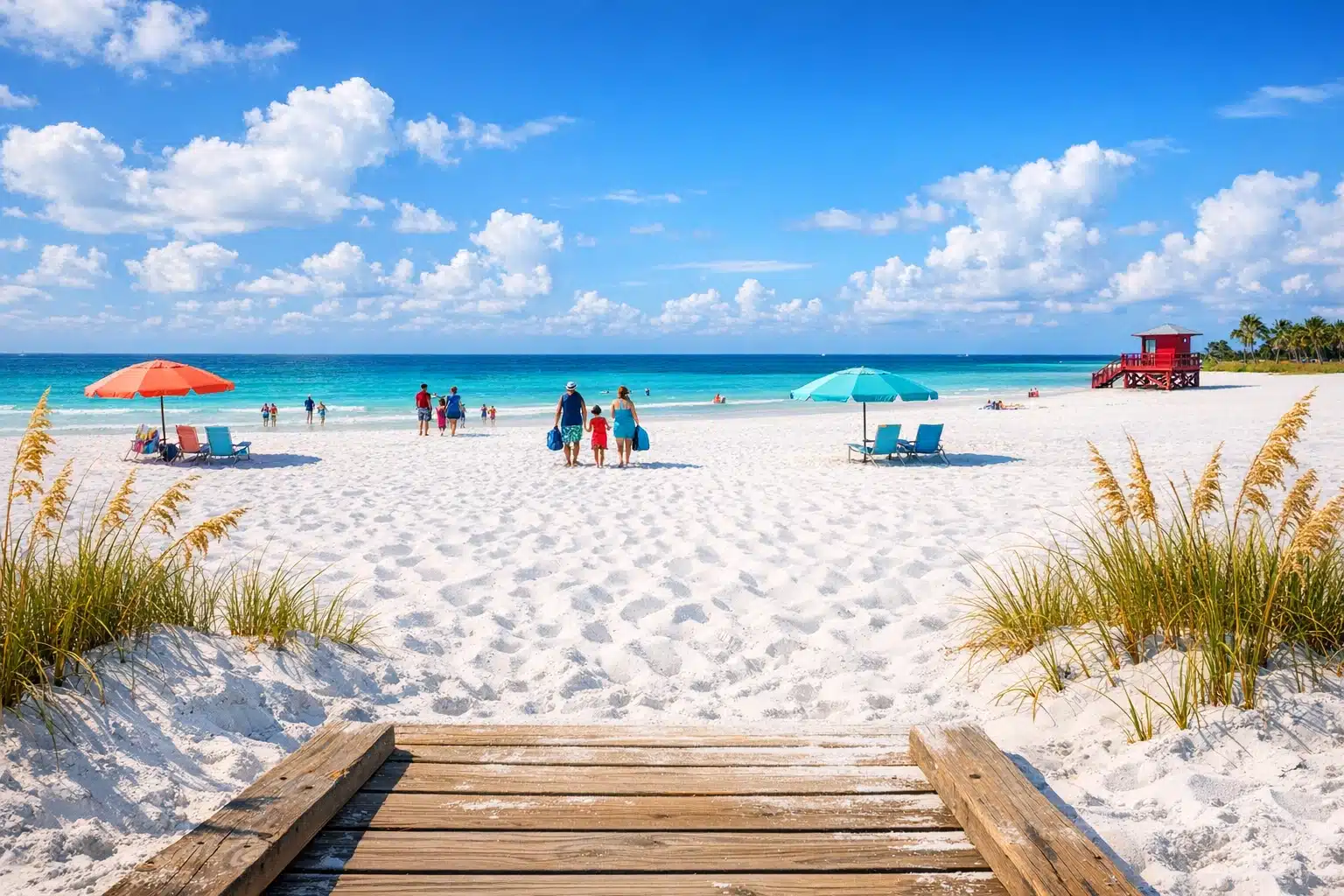
5 Florida Beaches Tourists Love to Visit
Why These Florida Beaches Matter Right Now
Florida welcomes well over a hundred million visitors in many recent years, and a large share comes for the beaches. Choosing a shoreline that matches how you like to unwind—or rev up—can mean the difference between a day you merely remember and a trip you genuinely cherish. The five destinations below surfaced again and again in traveler surveys, state and local tourism stats, and community feedback for their sand quality, access, amenities, and consistent appeal in different seasons. Think of this as a practical field guide, with comparisons to help you map the beach to your mood and budget.
Outline
– Clearwater Beach: walkable Gulf-front strand with soft sand and nightly sunset culture; great for families and casual swimmers.
– South Beach: energetic urban shoreline with iconic lifeguard towers and a vibrant dining scene steps from the surf.
– Siesta Beach: ultra-fine quartz sand that stays cool, shallow entry, and room to spread out across a broad shoreline.
– Daytona Beach: drive-on zones, Atlantic surf energy, long horizons at sunrise, and festival-friendly space.
– Pensacola Beach: dune-backed serenity, emerald water clarity, and easy access to preserved stretches of coast.
Clearwater Beach: Walkable Sands and Sunsets on the Gulf
Clearwater Beach earns affection for its reliably soft, light-colored sand and an easy-to-navigate waterfront that keeps most essentials within a short stroll. The Gulf of Mexico typically brings gentler waves than the Atlantic, making this strand especially inviting to casual swimmers and families with young children. Public access points, restrooms, beach wheelchairs, and seasonal lifeguards add a layer of practicality that turns a pretty shoreline into a comfortable day base. The central fishing pier hosts nightly sunset festivities for much of the year, a ritual that wraps the day with buskers, views, and a low-pressure social vibe.
On the numbers side, summer Gulf water temperatures commonly reach the low to mid-80s Fahrenheit, while winter dips to the mid-60s on average. Afternoon thunderstorms are common from June through September, often brief but worth planning around by scheduling beach time earlier or later in the day. The sand here is frequently groomed, which helps maintain that silky feel underfoot. Compared with Atlantic-facing beaches like Daytona, wave action is milder, which supports paddleboarding and floating sessions on calmer days. Compared with more secluded Panhandle stretches such as those near protected seashores, Clearwater’s strength is convenience: you’ll find gear rentals, casual eateries, and shaded pocket parks close to the surf.
Practical notes that visitors often appreciate:
– Ideal for: families, sunset chasers, casual swimmers, and walkers who enjoy a promenade experience.
– When to go: March–May for mild weather and warm water; October–early December for lower humidity and fewer crowds.
– Good to know: parking garages and lots fill quickly on weekends; rideshares and local transit can save time at peak hours.
If your perfect beach day mixes soft sand, low-stress logistics, and a social sunset scene, Clearwater Beach stands out as a highly rated option. It is not the quietest or wildest shoreline in Florida, yet its friendly energy, calm Gulf setting, and thoughtful amenities consistently leave visitors smiling—and coming back.
South Beach (Miami Beach): Urban Energy Meets Turquoise Water
South Beach is where city rhythm laps the shore. Wide sand, lifeguard towers painted in bright hues, and a backdrop of pastel architecture create a cinematic setting that feels as photogenic at sunrise as it does in late afternoon glow. The Atlantic here delivers livelier conditions than the Gulf on many days; swimmers should heed flag warnings and lifeguard guidance, especially when rip currents are present. While the beach is the star, the surrounding streets add a layer of convenience: dining, art spaces, and sidewalk cafés are steps from the sand, letting you pivot easily from a morning swim to a leisurely lunch.
Expect water temperatures to sit in the mid-70s to mid-80s Fahrenheit for most of the popular travel months, with the driest, most comfortable air typically arriving from late fall through spring. Summer brings warmer seas but also heavier humidity and afternoon showers. Noise and crowds are part of the appeal here, so light sleepers and travelers seeking hushed atmospheres may prefer staying a few blocks inland or visiting early in the day. Compared with Siesta Beach’s mellow rhythm, South Beach is about spectacle, people-watching, and the flexibility to switch between toes-in-the-sand time and urban diversions in minutes.
Key takeaways for planning:
– Ideal for: design lovers, food fans, culture seekers, and beachgoers who enjoy a lively scene.
– When to go: December–April for reliably pleasant weather; summer for warm water and lower room rates, with brief showers likely.
– Savvy tips: use public transit or shared rides to avoid scarce parking; pack a compact umbrella and reef-safe sunscreen for quick shade and protection.
In comparisons with quieter Gulf strands, South Beach trades solitude for access and variety. You can finish a morning swim, browse a gallery, and enjoy sunset along the shore without ever starting a car. That blend of turquoise water and city convenience explains why so many travelers mark this beach as a must-visit at least once.
Siesta Beach (Siesta Key): Powder-Soft Quartz and Family Comfort
Siesta Beach is renowned for sand so fine it feels like sifted flour underfoot. Composed largely of quartz that traveled down ancient river systems, the sand reflects sunlight and stays comparatively cool, even on hot afternoons. Families appreciate the gentle slope into the Gulf, which creates a broad, shallow area that’s comfortable for wading and beginner-friendly swimming. The beach is also notably wide, offering room to spread out even on busy weekends, and the main access area includes restrooms, picnic spaces, and seasonal lifeguards that add peace of mind.
Water clarity is often excellent, especially on calm days. Typical Gulf temperatures align with Clearwater Beach—warm to very warm from late spring through early fall, with mild winters that still draw sun-seekers. While amenities are close, Siesta Beach feels more laid-back than urban strands; you’re likely to hear seabirds and gentle surf more than traffic. Environmental stewardship is visible in sea turtle nesting season protocols, with roped-off areas and guidance that helps protect wildlife. Compared with South Beach’s buzz, Siesta is a place to exhale; compared with more remote Panhandle stretches, it offers a balanced mix of access and serenity.
What visitors often highlight:
– Ideal for: families with kids, shell hunters, and anyone sensitive to hot sand.
– When to go: February–May for mild air and warm sun; September–November for soft light, warm water, and thinner crowds.
– Helpful notes: arrive early for prime parking on weekends; pack a small cart to roll chairs and a cooler across the wide sand.
If your beach priorities include silky sand, space to breathe, and an easier entry into calm, clear water, Siesta Beach ranks among the top options. It’s a shoreline where the simple pleasures—sandcastles, long naps under a canopy, and unhurried swims—take center stage, day after day.
Daytona Beach: Drive-On Tradition and Atlantic Surf
Daytona Beach is woven into beach-going lore for its hard-packed sand that, in designated zones, still allows vehicles to drive and park right on the strand at posted speeds. That tradition creates a beach day with a different rhythm: surfers unload boards near the break, anglers set up near low-tide pools, and families spread towels within sight of their cars. The Atlantic’s energy is a feature here—expect more consistent surf than on the Gulf, especially when swells align with seasonal wind patterns. Sunrise stretches across a very long horizon, rewarding early risers with pastel skies and a wide-open feel.
From a practical standpoint, the drive-on novelty works best when beachgoers follow posted rules and keep a keen eye out for pedestrians. When tide is high, drivable areas can narrow, and seasonal closures may apply—another reason to check current advisories before heading out. Water temperatures typically range from the mid-60s in winter to the low-80s in late summer, and nearshore sandbars shift with storms, changing where the smoothest sections lie. Compared with Clearwater or Siesta, the sand is firmer underfoot and the surf more animated; compared with South Beach, the atmosphere is more spacious and less urban, especially outside of big event weekends.
Quick planning pointers:
– Ideal for: surf-curious travelers, sunrise photographers, and visitors who like the convenience of car-side setups.
– When to go: March–May and September–November for warm days and manageable humidity; summer for the warmest water and energetic scene.
– Good to know: designated swimming areas and flag systems mark safer zones; check tide charts and heed lifeguard guidance.
For many travelers, Daytona Beach delivers a distinctive experience that blends Atlantic vigor with a broad, accessible shore. If your ideal day includes salt spray, steady breezes, and space to toss a frisbee before a dip, this stretch offers an outstanding balance of action and ease.
Pensacola Beach: Dune-Backed Serenity and Emerald Water
On Florida’s western edge of the Panhandle, Pensacola Beach charms visitors with sugar-white sand framed by tall sea oats and rolling dunes. The water often glows a clear, emerald hue, especially on calmer days when sediment settles and visibility improves. Much of the surrounding barrier island is preserved, so even near developed access points you can walk a short distance to find quieter pockets. A long fishing pier offers panoramic views of stingrays gliding past and schools of baitfish flashing in shifting light, while nearby protected areas showcase wide-open sandscapes that feel worlds away from busy boardwalks.
Seasonally, late spring and early fall can be sweet spots—warm water, thinner crowds, and lower humidity than peak summer. Gulf temperatures commonly reach the mid-80s in summer and settle into the 60s during winter. Breezes can kick up small chop, but on many days the surf remains inviting for leisurely swims and paddle sessions close to shore. Local crews carefully protect nesting shorebirds and sea turtles, and you’ll often see signage guiding visitors to keep dunes intact by using established paths. Compared with Siesta and Clearwater, Pensacola Beach feels more spacious and nature-forward; compared with South Beach, it trades nightlife for stargazing and the hush of wind through sea oats.
Visitor notes for easy planning:
– Ideal for: nature lovers, anglers, snorkelers, and families seeking a calm, scenic setting.
– When to go: April–May and September–October for warm water and comfortable air; summer for long beach days with occasional afternoon storms.
– Safety and comfort: heed the colored flag system; during jellyfish blooms, pack vinegar or a basic first-aid kit; protect the dunes by using marked walkovers.
If you picture your beach day as an unhurried wander along a shell-flecked shoreline, with just the sound of gulls and the horizon for company, Pensacola Beach is a well-regarded choice. The combination of clear water, intact dunes, and room to roam gives this corner of the Gulf a quietly magnetic pull on returning visitors.
Final Takeaway for Travelers
Florida’s most loved beaches span the spectrum: Clearwater’s walkable Gulf charm, South Beach’s city-energy edge, Siesta’s powder-soft calm, Daytona’s Atlantic vigor, and Pensacola’s dune-framed serenity. Match your priorities—wave action, crowds, access, wildlife, or nightlife—to the shoreline that fits your style, and time your visit to the season that suits your comfort. With realistic expectations and a few local tips, your next beach day can feel both effortless and memorable.