5 Highly Regarded Colleges in Ohio
Outline:
– Methodology and why “top” depends on fit
– College One: Flagship public research powerhouse (central Ohio)
– College Two: Private urban research innovator (northeast corridor)
– College Three: Selective liberal arts experience (small-town setting)
– Colleges Four and Five: Public honors tradition and a mission-driven private research university, plus how to choose
How We Chose Ohio’s Standouts: Methodology and What Matters
Ohio’s higher education landscape is remarkably diverse, stretching from sprawling research hubs to close-knit liberal arts communities. Rather than relying on a single metric, this guide weighs multiple dimensions that families and students routinely prioritize: learning quality, research opportunities, experiential learning, support services, affordability, and long-term outcomes. The aim is to highlight five highly regarded choices that represent different strengths, so readers can map personal goals to a setting that genuinely supports them.
To keep the process transparent, here is what carried weight in the evaluation:
– Academic strength: program depth, accreditation where relevant, faculty credentials, and opportunities to do serious work early.
– Student success: first-year retention, four- and six-year graduation patterns, career placement trends, and alumni mentorship.
– Experiential learning: hands-on labs, internships, co-ops, studio work, field research, and community engagement.
– Resources: research activity per student, library and lab access, advising capacity, and learning centers.
– Value: net price, aid availability, time-to-degree, and transparent pathways to careers or graduate study.
Data-informed judgment matters, but so does context. Large campuses often excel in breadth, research infrastructure, and industry ties; smaller colleges can elevate mentorship, writing intensity, and community cohesion. Urban locations typically mean denser internship pipelines; rural settings frequently deliver reflection, focus, and unusually strong residential cultures. Outcomes also hinge on student agency: those who use advising, seek out projects, and show up for office hours tend to multiply the value of any campus they choose.
Finally, “top” is deliberately framed as “fit-forward.” The institutions covered here share strong reputations across academics and outcomes, but they do not serve identical needs. As you read, imagine a day in your life on each campus—crossing a leafy quad to a seminar, or hustling from a cutting-edge lab to an internship downtown. That mental dress rehearsal, paired with the criteria above, will help you sort exciting options from ideal matches.
College One: Flagship Public Research Powerhouse (Central Ohio)
If you want the energy of a major public university with far-reaching research and a full spectrum of majors, this flagship delivers. Think thousands of courses, extensive labs, and an advising network scaled to support exploration and timely graduation. As a land-grant institution, it blends statewide service with global ambition: agricultural innovation lives alongside advanced materials, public policy analysis, and health sciences. The campus footprint feels like a small city—buzzing before a big game, focused in quiet stacks, and alive in maker spaces where prototypes become class projects.
Strengths that stand out include a robust research enterprise (with sustained nine-figure annual activity), nationally recognized programs in engineering, business, and health-related fields, and a steady stream of internships thanks to a central location near government, nonprofits, startups, and established firms. Honors and scholars communities create small-college experiences within the larger setting, offering seminars, priority advising, and research entry points during the first year. Students who tap into tutoring, supplemental instruction, and career coaching often report faster progress from introductory courses to advanced, portfolio-worthy work.
Quick snapshot:
– Scale: extensive course selection, multiple libraries, and specialized labs across disciplines.
– Experiential edge: research assistantships, design studios, service-learning in surrounding neighborhoods, and capstone projects tied to regional employers.
– Outcomes: strong retention, rising graduation patterns for students who use structured pathways, and active alumni clusters in tech, finance, healthcare, and public service.
– Value notes: competitive in-state pricing, merit and need-based aid for eligible students, and clear roadmaps to finish in four years when following advised course sequences.
Who thrives here? Explorers who want options; self-starters who appreciate world-class facilities; joiners who enjoy large-campus traditions; and pragmatic builders who like translating classroom work into internships. If your ideal week involves morning lectures, afternoon lab time, an evening club meeting, and a Saturday cheering section, the flagship cadence may feel just right.
College Two: Private Urban Research Innovator (Northeast Corridor)
Set in a thriving urban district with museums, health systems, and startups within an easy walk or transit ride, this private research university offers an engineer’s practicality with an artist’s curiosity. The undergraduate population is mid-sized, creating a noticeable balance: small-enough seminars for meaningful discussion, yet large-enough labs for funded projects that continue year-round. Makerspaces, machine shops, and data studios hum late into the night as teams refine prototypes, analyze clinical datasets, or prepare for regional pitch competitions.
Students often highlight direct access to faculty labs—entry in the first or second year is common—plus cross-disciplinary minors that connect computing with music, ethics with AI, or biomedical engineering with public health. The campus culture encourages collaborative rigor: group design reviews mirror professional practice, while co-ops and internships place students inside hospitals, tech companies, and civic agencies. It is common to graduate with a portfolio that blends research posters, open-source contributions, and internship deliverables, giving hiring managers clear evidence of skill.
Signature pathways include:
– Engineering and computing with strong ties to clinical and industrial partners.
– Quantitative social science that uses real city data—housing, transit, public health—to pose practical solutions.
– Arts and design that intersect with technology, enabling compelling user-centered projects.
Support structures—advising, writing centers, and peer-led workshops—help students calibrate high workload expectations. Retention and four-year completion benefit from clearly sequenced curricula and proactive coaching for those juggling research with co-op rotations. Career outcomes skew toward research-driven roles, product development, analytics, and graduate study in engineering, data science, and the health professions.
If you are energized by dense networks—labs next to galleries, prototyping bays around the corner from a teaching hospital—this environment offers daily serendipity. The vibe is industrious but humane: teams argue over design trade-offs, then celebrate incremental wins at a late-night cafe. It’s an outstanding fit for builders, analysts, and creators who learn by doing and want city infrastructure to serve as their extended classroom.
College Three: Selective Liberal Arts Experience (Small-Town Setting)
In a picturesque town where the library bell gently marks the hour, this college keeps learning intentionally personal. Most courses run as seminars, typically in the low-to-mid teens, and professors design assignments that foreground reading, writing, and argument. Lab sciences maintain that same intimacy: you will calibrate equipment yourself, not wait for a teaching assistant to do it for you. The result is a portfolio of essays, lab notebooks, and public presentations that capture growth across four years, often culminating in a thesis or capstone project that feels equal parts challenging and thrilling.
Humanities and social sciences are renowned here, with writing-intensive sequences that train you to corral complex ideas. But don’t sleep on the sciences and mathematics: faculty routinely welcome undergraduates into grant-supported research, and students co-author papers or present at regional meetings. Studio arts, theater, and music ensembles enrich the weeknight rhythm, while athletics and outdoor programs stitch students into the surrounding landscape—forest trails, rivers, and starry skies that remind you to lift your eyes from the page.
Expect mentoring that goes beyond office hours. Faculty help you plan internships, vet graduate programs, and practice for fellowship interviews. The advising web also includes career coaches who connect students with alumni in publishing, policy, data analytics, education, and the nonprofit world. Study abroad is a pillar rather than a perk; language immersion, field schools, and research-based travel provide new vantage points that frequently spark senior projects back on campus.
Traits that make this a strong match:
– You enjoy speaking up in class and revising drafts until the argument sings.
– You want feedback from mentors who know your name, goals, and blind spots.
– You’re excited by community—traditions, literary magazines, student radio, and late-night debates that carry on from seminar to supper.
Graduates leave with uncommon intellectual confidence and communication skills that translate into many sectors. If your dream college day involves a morning hike, a noon seminar that wrestles with primary texts, a lab session running your own experiment, and an evening rehearsal or reading, this environment will feel like home.
Colleges Four and Five: A Public Honors Tradition and a Mission-Driven Private Research University
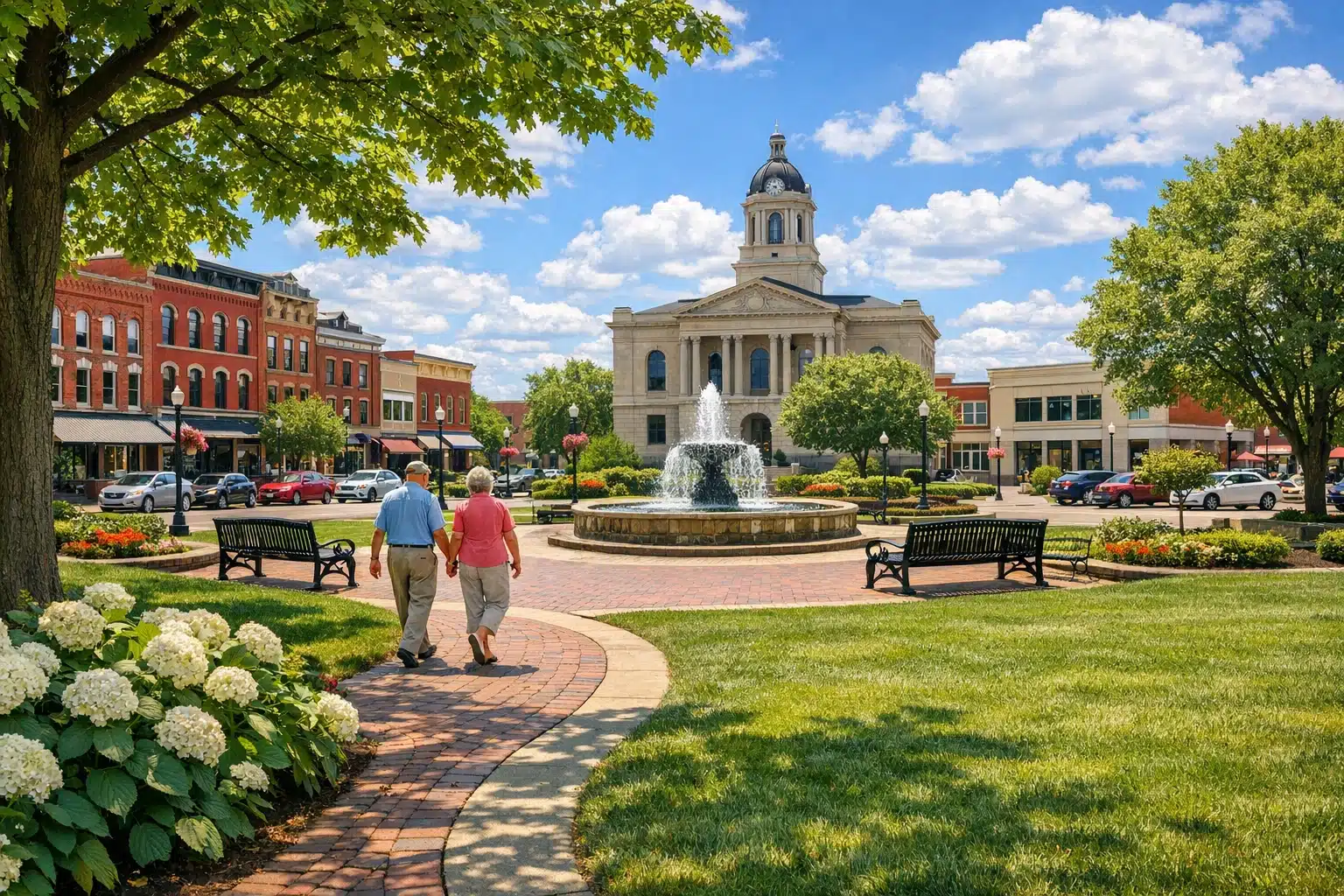
Public Honors Tradition (Southwest Ohio). This mid-sized public university leans into undergraduate teaching within a classic collegiate setting—red-brick buildings, tree-lined quads, and a strong tradition of residence-based communities. The academic model prizes clear pathways through business, education, and the liberal arts, while also supporting robust undergraduate research in the sciences. Honors cohorts and themed living-learning communities make a large campus feel navigable, pairing priority registration with dedicated seminars that emphasize discussion, case analysis, and early research design. Study abroad is woven into the culture, not just advertised; short-term faculty-led programs sit alongside semester exchanges, and scholarships help widen participation.
Students describe a “high-engagement, medium-scale” experience: enough clubs and service organizations to explore interests, but still intimate enough to bump into professors downtown. Employers in the region recruit actively, with internships during the academic year easing the transition to careers in consulting, analytics, media, K–12 education, and public administration. Expected strengths include strong alumni loyalty, competitive in-state costs, and graduation plans that favor four-year completion for students who follow recommended credit loads and advising milestones. For those who like tradition—homecoming, acapella on the steps, a campus newspaper that punches above its weight—this university’s rhythm feels both familiar and forward-looking.
Mission-Driven Private Research University (Southwest Corridor). Anchored in values-based education, this institution blends research activity with a distinctive emphasis on community impact. Engineering, the applied sciences, and entrepreneurship are prominent, as are programs in the social sciences and communication that foreground ethics and civic engagement. Cooperative education, project-based studios, and service-learning push students off the sidelines and into neighborhoods, clinics, and labs where stakes are real and partners are counting on results. It is common to leave with several applied projects that double as interview talking points—designs tested in the field, data dashboards adopted by a nonprofit, or iterative prototypes developed with regional industry.
Support comes via faculty mentors, peer advising, and centers that help students source projects aligning with personal purpose—sustainability, community health, inclusive design. Retention trends benefit from an integrated first-year experience that combines core courses with team-based problem solving. Outcomes include admission to professional and graduate programs, along with direct pipelines into engineering firms, research labs, and mission-oriented organizations. The campus aesthetic is warm and practical: brick, light-filled atriums, and courtyards that invite conversation after lab.
Conclusion: Choosing Your Ohio Fit
These five institutions represent complementary strengths: breadth and scale; urban research with practical collaboration; intimate liberal arts mentorship; public honors structure and tradition; and a mission-infused research model. Use campus visits to test for fit—sit in on a class, ask students how they found internships, and study four-year plans for your intended major. Compare net price, not just sticker cost, and map course sequences to ensure on-time graduation. Most importantly, picture your week: where you will study, build, rehearse, and rest. The right Ohio choice will not only look good on paper—it will feel like momentum.